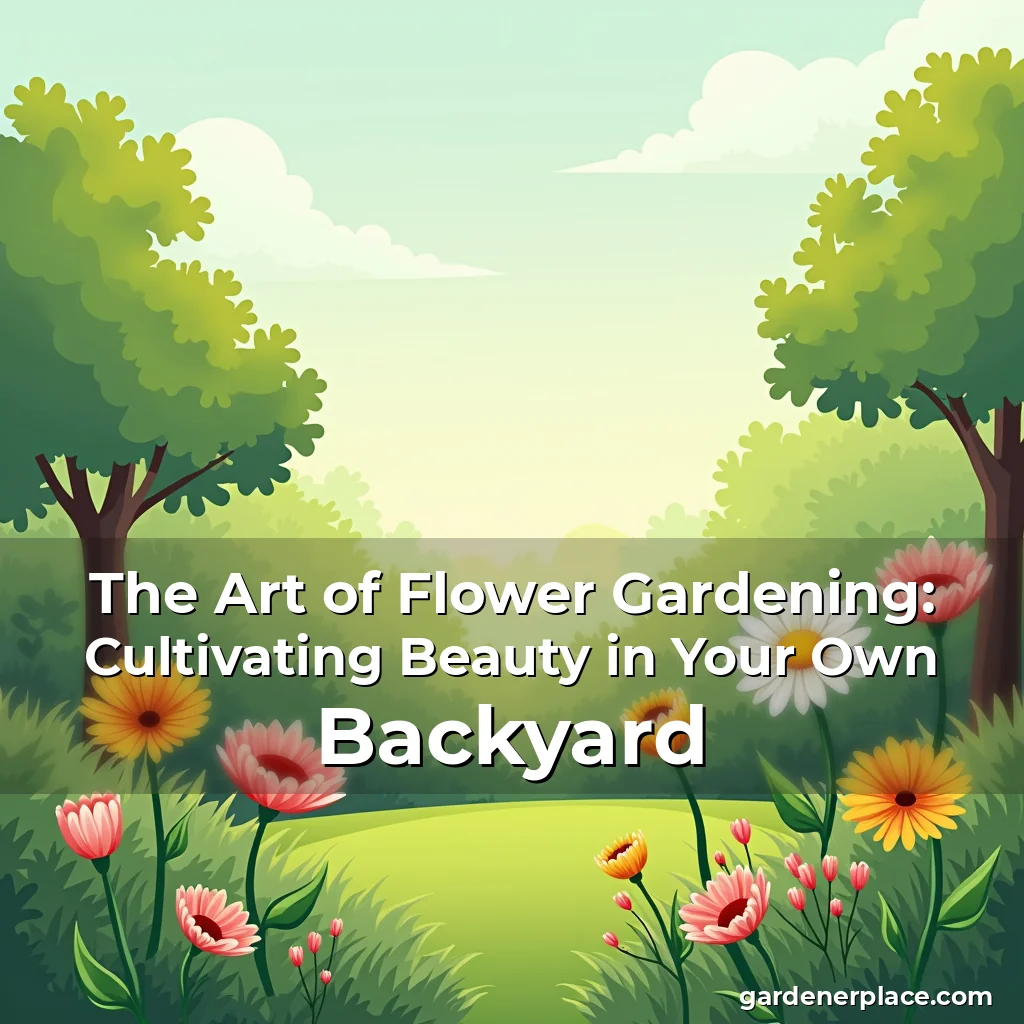
The Art of Flower Gardening: Cultivating Beauty in Your Own Backyard
Flower gardening is not merely an activity—it’s a form of expression that transforms spaces into vibrant landscapes filled with color, fragrance, and life. Whether you’re a seasoned horticulturist or a curious beginner, cultivating flowers can bring immense satisfaction and joy. This guide explores everything from selecting the right plants for your climate to mastering advanced techniques that will elevate your garden to new heights.
From delicate roses to bold sunflowers, each bloom tells its own story through hue, shape, and scent. Understanding these stories allows us to create gardens that are both aesthetically pleasing and ecologically beneficial. As we delve deeper into the world of flower gardening, let’s uncover how every choice contributes to a thriving ecosystem right at our fingertips.
Selecting the Perfect Flowers for Your Garden
Cultivating a beautiful flower garden begins with understanding your local environment. Different flowers thrive under varying conditions such as sunlight expo By identifying which factors are most influential in your region, you’ll be better equipped to choose species that flourish without excessive maintenance.
Before planting anything, take time to observe your yard throughout different seasons. Note areas where direct sunlight lingers longest versus those shaded by trees or structures. This simple observation helps determine suitable spots for sun-loving blooms like marigolds or shade-tolerant varieties such as impatiens.
- Soil Testing: Conduct basic tests using home kits available at hardware stores to understand nutrient deficiencies before adding amendments.
- Microclimates: Recognize microclimates within your property—these small pockets might have distinct temperature ranges affecting plant growth patterns significantly.
Design Principles That Transform Spaces Into Gardens
A well-designed flower bed doesn’t happen by chance; it requires thoughtful planning based on visual harmony principles. Color theory plays a crucial role here since certain combinations enhance each other while others clash unattractively. Learning about complementary colors can help achieve balanced yet dynamic displays across your landscape.
Layering techniques add depth and interest when arranging plants side-by-side. Taller specimens serve as backdrops whereas shorter ones provide foreground elements creating dimensionality that draws viewers closer. Additionally, incorporating texture contrasts ensures variety beyond mere hues alone.
Creating Visual Interest Through Texture Contrasts
Different textures contribute uniquely towards enhancing aesthetics visually. Soft foliage paired with spiky leaves creates striking juxtapositions that catch eyes naturally even from afar away. For instance, combining velvety peonies alongside feathery yarrow introduces tactile diversity appealing to both sight and touch senses simultaneously.
Textures also influence how light interacts with surfaces during various times day influencing overall mood created within space itself. Using plants with varying leaf thicknesses helps manage glare effectively especially around walkways or seating areas intended for relaxation purposes.
Nurturing Growth With Proper Care Techniques
Maintaining healthy blossoms involves regular attention focusing primarily on watering schedules adjusted according to seasonal changes rather than fixed intervals. Overwatering damages roots causing diseases whereas underwatered plants wilt prematurely losing their vibrancy altogether.
Fertilization needs vary depending upon type of flowering plant chosen initially hence consulting manufacturer guidelines becomes essential part process ensuring optimal nourishment delivered precisely when required without risking burn injuries caused excess nutrients applied too frequently.
- Water Wisely: Implement drip irrigation systems reducing evaporation rates thereby conserving resources efficiently maintaining consistent hydration levels desired throughout growing cycle.
- Feed Correctly: Choose slow-release granular fertilizers over liquid forms minimizing risk associated rapid nutrient absorption potentially harming sensitive root zones unexpectedly.
Pest Management Strategies Without Harsh Chemicals
Protecting beloved blooms from unwanted visitors demands proactive measures avoiding reliance solely chemical interventions often detrimental long term health ecosystems surrounding them. Natural deterrents include companion planting strategies placing aromatic herbs near vulnerable crops deterring insects seeking shelter among dense vegetation clusters.
Introducing beneficial predators manually enhances biological control mechanisms present outdoors already existing helping maintain equilibrium between prey populations actively managing potential infestation threats proactively instead waiting reactive solutions arrive too late.
- Biological Controls: Encourage ladybugs & lacewings onto premises regularly feeding them sugar water supplemented occasional protein sources attracting them establish permanent residency nearby.
- Physical Barriers: Deploy fine mesh netting overhead protecting tender seedlings susceptible early stages development preventing aphids scale insects reaching critical developmental phases safely.
Seasonal Maintenance Tips To Keep Blooming All Year Round
Successful year-round blooming hinges largely upon timely pruning sessions scheduled consistently following established cycles respective species involved. Removing deadheading spent petals promptly encourages reblooming extending periods active floral display visibly noticeable improvements achieved quickly through minimal effort invested.
Preparing beds properly prior winter arrival prevents damage incurred harsh freezes common northern latitudes particularly damaging bulbs rhizomes stored underground awaiting spring revival unless adequately insulated against cold shock experienced otherwise.
Winterizing Your Flower Beds Effectively
Effective winter preparation includes mulching heavily covering exposed ground reducing heat loss occurring beneath surface layers preserving vital warmth necessary sustaining subterranean life forms dormant state awaiting warmer days ahead. Organic materials preferred due decomposition processes enriching soils gradually improving fertility characteristics overtime organically.
In addition applying protective coverings made breathable fabrics shield fragile stems from frostbite incidents likely happening unprotected regions experiencing sudden drops temperatures overnight periods especially prevalent during initial snowfall events marking onset colder months approaching rapidly.
Enhancing Pollinator Habitats Within Your Floral Landscape
Supporting pollinators goes hand-in-hand designing attractive floral arrangements benefiting wildlife simultaneously beautifying surroundings personally. Plant selections favor native species providing reliable nectar sources throughout entire season promoting biodiversity increasing chances survival among insect communities reliant upon continuous food availability patterns established intentionally.
Structural features incorporated purposefully aid navigation ease facilitating movement accessibility between flower patches encouraging frequent visits repeated pollen collection activities taking place continuously throughout daylight hours maximizing reproductive success outcomes observed subsequently.
- Habitat Structures: Install bee hotels composed hollow tubes wooden blocks offering nesting sites solitary bees lacking traditional hive environments typically found wild settings far removed human settlements.
- Continuous Bloom Cycles: Arrange sequential bloom timelines ensuring overlap occurs between dying out old varieties emerging fresh replacements keeping continual supply nectar accessible pollinators throughout extended duration seasonally.
Troubleshooting Common Issues Facing Newcomers In Flower Gardening
New gardeners often face challenges related improper drainage leading waterlogged conditions stifling root respiration ultimately killing plants entirely despite adequate above-ground appearances misleading indicators true underlying problems persistently unresolved unless addressed urgently.
Identifying signs distress accurately enables targeted remedies resolving issues swiftly restoring vitality previously compromised organisms recovering fully within reasonable timeframe determined scientifically proven methods accepted widely practiced professionals field.
- Drainage Solutions: Improve soil structure through incorporation organic matter decomposed compost manure loosening compacted earth allowing free passage air moisture essential cellular functions proceed smoothly uninterrupted.
- Disease Prevention: Rotate crop placements annually disrupting disease cycles preventing buildup pathogens remaining persistent same location year after year weakening defenses host plants progressively becoming increasingly vulnerable subsequent infections arising repeatedly.
Expanding Horizons: Advanced Techniques For Experienced Growers
Experienced growers looking further refine skills might explore hybridization experiments crossbreeding selected parent lines aiming produce offspring possessing desirable traits combined advantageous qualities inherited either lineage resulting novel hybrids exhibiting superior performance compared original components utilized creation.
Propagation methods offer alternative means expanding collections economically viable options replicating favorite specimens reliably producing identical clones retaining exact genetic makeup preserved indefinitely through careful execution precise procedures followed meticulously throughout entire propagation journey undertaken successfully.
- Hybridization Basics: Understand basic genetics principles determining possible outcomes expected result crossing two distinct types ensuring compatibility exists between parents guaranteeing successful germination emergence vigorous seedlings ready transplant outdoor spaces soon enough.
- Propagative Methods: Master cutting techniques separating vegetative portions mother plant stimulating callus formation eventually developing independent individuals capable surviving independently once rooted sufficiently strong enough withstand environmental stresses encountered outside controlled indoor conditions.
Conclusion
Embarking on the path of flower gardening offers endless possibilities transforming ordinary yards extraordinary havens teeming with beauty wonder. From choosing appropriate flora matching personal preferences regional suitability up through implementing sophisticated cultivation practices aimed achieving exceptional results consistently over time.
Remember, every garden has its unique character shaped countless decisions made along way forward. Embrace learning opportunities presented daily interactions nature discovering joys hidden within seemingly mundane tasks becoming profound experiences contributing rich tapestry lifelong passion cultivated patiently nurtured diligently throughout years passed since first planted seeds embarked upon adventure now flourishing beautifully before very eyes.