
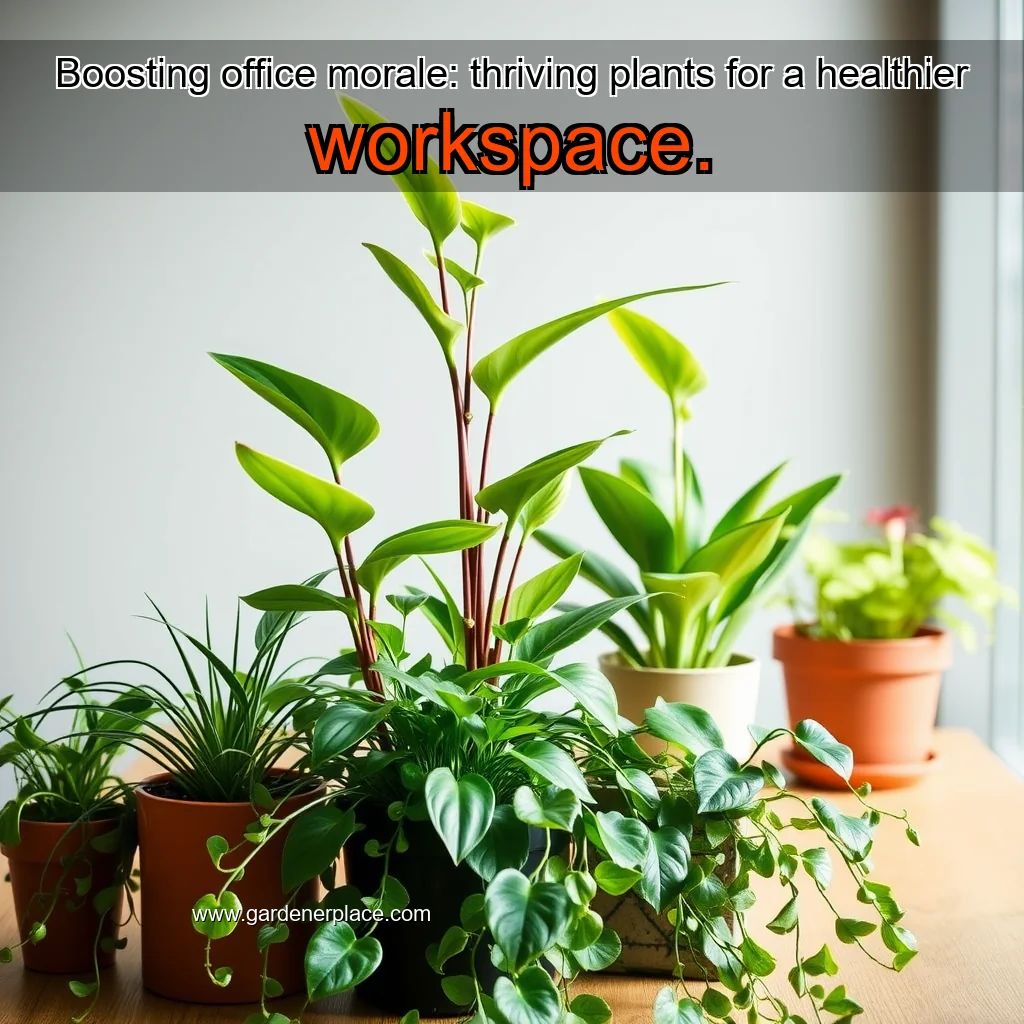
Low Maintenance Plants for Busy People
If you’re a busy person, you might be thinking that you don’t have the time or space to care for a houseplant. But the truth is, there are many low-maintenance plants that can thrive in even the most challenging environments.
It is a popular houseplant due to its low-maintenance requirements and ability to thrive in a variety of lighting conditions.
The Pothos Plant: A Low-Maintenance Houseplant
Pothos is a versatile and adaptable plant that can be grown indoors or outdoors, making it an ideal choice for many gardeners and plant enthusiasts. Its ability to thrive in low-light conditions makes it perfect for rooms with limited natural light, such as basements or offices.
Lighting Requirements
Pothos is known for its ability to tolerate a wide range of lighting conditions, from low to bright light. It can grow well in:
The Unique Characteristics of Snake Plant and Cast Iron Plant
Snake Plant (Dracaena trifasciata)
The Snake Plant, also known as Sansevieria, is a popular houseplant known for its striking appearance and low-maintenance requirements. Its unique characteristics make it an ideal choice for indoor spaces, particularly for those who tend to forget to water their plants.
Key Features:
Cast Iron Plant (Aspidistra elatior)
The Cast Iron Plant, also known as Aspidistra, is a low-maintenance plant that can tolerate a range of lighting conditions.
The term “air plant” is a misnomer.
The Misconceptions Surrounding Air Plants
Air plants, also known as tillandsia, are often misunderstood and misrepresented. Many people assume that they require direct sunlight to thrive, but this is not the case. In fact, air plants can grow and flourish under fluorescent lighting, making them a great option for indoor spaces with limited natural light.
The Reality of Air Plant Care
Air plants do not require soil to grow, and they can absorb moisture and nutrients through their leaves.
She is a gardening expert with over 20 years of experience.
A Seasonal Guide to Gardening
As the seasons change, so do the needs of our gardens. From the warmth of summer to the chill of winter, each season brings its unique set of challenges and opportunities for growth. As a seasoned gardening expert, Jessica Damiano is here to guide you through the best practices for gardening in each season.
Spring Gardening
Spring is a time of renewal and rebirth in the garden. The air is filled with the sweet scent of blooming flowers, and the soil is teeming with life. As the weather warms up, it’s the perfect time to get your garden ready for the growing season.
Preparing the Soil
Before planting, it’s essential to prepare the soil. This involves loosening the soil to a depth of 8-10 inches, adding organic matter such as compost or manure, and testing the pH level. A pH level between 6.0 and 7.0 is ideal for most plants. Some plants, such as tomatoes and peppers, require a slightly acidic soil pH, while others, like roses and hydrangeas, prefer a more alkaline soil pH. Adding compost or manure can help improve soil structure and fertility, but be sure to mix it in well to avoid creating a soggy or waterlogged soil.*
Planting
Once the soil is prepared, it’s time to plant.
