Green thumbs ready: spring garden preparation awaits!
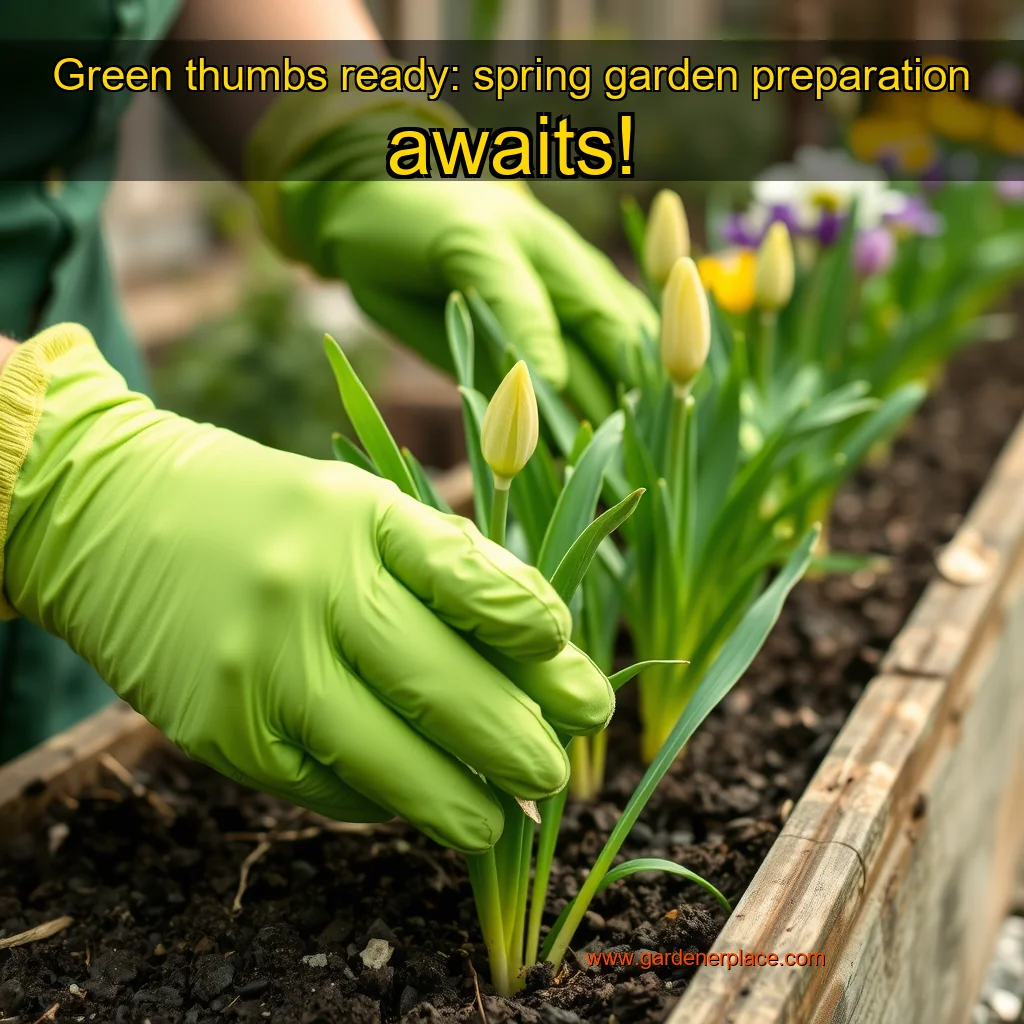
Artistic representation for Green thumbs ready: spring garden preparation awaits!

Seeds can degrade over time, affecting their ability to germinate and grow into healthy plants.

However, the quality and viability of seeds can degrade over time, affecting their ability to germinate and grow into healthy plants.

Understanding Seed Viability

Factors Affecting Seed Viability

  • Light exposure: Seeds can degrade quickly when exposed to direct sunlight, especially if they are stored in a warm environment. Temperature fluctuations: Extreme temperatures can cause seeds to degrade faster, with temperatures above 80°F (27°C) and below 32°F (0°C) being particularly detrimental. Humidity: High humidity can lead to mold and fungal growth, which can reduce seed viability. * Physical damage: Seeds can become damaged during handling, storage, or transportation, which can reduce their viability. ### Signs of Degraded Seeds**
  • Signs of Degraded Seeds

  • Discoloration: Seeds may turn yellow, brown, or black due to exposure to light or moisture. Shrinkage: Seeds may shrink in size due to moisture loss or degradation. Cracking: Seeds may crack or break due to physical damage or drying out. * Mold or fungal growth: Visible signs of mold or fungal growth can indicate that seeds are no longer viable. ## Preparing Seeds for Spring**
  • Preparing Seeds for Spring

    Storage and Handling

  • Cool, dry place: Store seeds in a cool, dry place, such as a basement or cupboard, to slow down degradation. Airtight containers: Use airtight containers to protect seeds from moisture and light.

    I have a few bags of potting soil and some fertilizer to get started. I have a plan to water and care for the seeds, and I have a dedicated space for the seedlings to grow.

    Preparing for the Upcoming Growing Season

    As the days get longer and warmer, it’s time to start preparing for the upcoming growing season. For many gardeners, this means getting their hands dirty and starting to plan for the new season. Whether you’re a seasoned pro or just starting out, there are several key steps to take to ensure a successful growing season.

    Assessing Your Garden

    Before you start planting, take some time to assess your garden.

    Unfortunately, I had to cut my own grass for the first time in years. It was a daunting task, but I was determined to get it done.

    The Challenges of Fall Lawn Care

    As the seasons change, so do the challenges of lawn care. The unpredictable fall weather can make it difficult to maintain a healthy and well-manicured lawn. Here are some of the common challenges that homeowners face during this time:

  • Unpredictable weather: Fall weather can be unpredictable, with sudden changes in temperature and precipitation. This can make it difficult to plan and schedule lawn care tasks. Soil preparation: The soil can become compacted and dense due to the weight of snow and ice, making it difficult to aerate and fertilize the lawn. Weed control: Weeds can become more aggressive during the fall season, competing with grass for water and nutrients. * Lawn mowing: As mentioned earlier, cutting your own grass for the first time in years can be a daunting task, especially when the weather is unpredictable. ## Preparing for the Challenges of Fall Lawn Care**
  • Preparing for the Challenges of Fall Lawn Care

    To overcome the challenges of fall lawn care, it’s essential to prepare in advance. Here are some tips to help you get started:

  • Clean and maintain hand tools: Make sure to clean and maintain your hand tools, such as rakes, trowels, and pruners, to ensure they are in good condition for the upcoming season.

    Preparing for Winter

    As the seasons change, it’s essential to prepare your outdoor equipment for the harsh winter conditions. This includes turning off and draining your outdoor water supply to prevent freezing and damage. Turning off the main water shut-off valve is the first step in preparing your outdoor equipment for winter. Drain the water from the pipes and hoses to prevent freezing and damage. Insulate exposed pipes and hoses to keep them warm and protected from the cold.

    The Benefits of Winter Gardening

    Winter gardening is often overlooked, but it offers numerous benefits for gardeners. By tackling garden-related tasks during the off-season, you can:

  • Improve soil health
  • Reduce pest and disease pressure
  • Enhance plant hardiness
  • Create a head start on the growing season
  • Preparing for the Growing Season

    Preparing your garden for the growing season is a crucial aspect of winter gardening. This involves:

  • Cleaning up debris and dead plant material
  • Adding organic matter to the soil
  • Pruning and training plants
  • Planning and preparing the garden layout
  • By taking care of these tasks during the winter, you can ensure a healthy and thriving garden come spring.

    Winter Gardening Tasks

    There are several tasks that can be completed during the winter months to prepare your garden for the growing season. Some of these tasks include:

  • Planting bulbs and seeds
  • Starting seedlings indoors
  • Creating a compost pile
  • Building a cold frame or greenhouse
  • These tasks can help you get a head start on the growing season and ensure a bountiful harvest.

    The Payback

    One of the best things about winter gardening is the payback.

    news

    news is a contributor at GardenerPlace. We are committed to providing well-researched, accurate, and valuable content to our readers.

    About news

    Expert in gardening with years of experience helping people achieve their goals.

    View all posts by news →

    Leave a Reply

    About | Contact | Privacy Policy | Terms of Service | Disclaimer | Cookie Policy
    © 2026 GardenerPlace. All rights reserved.