
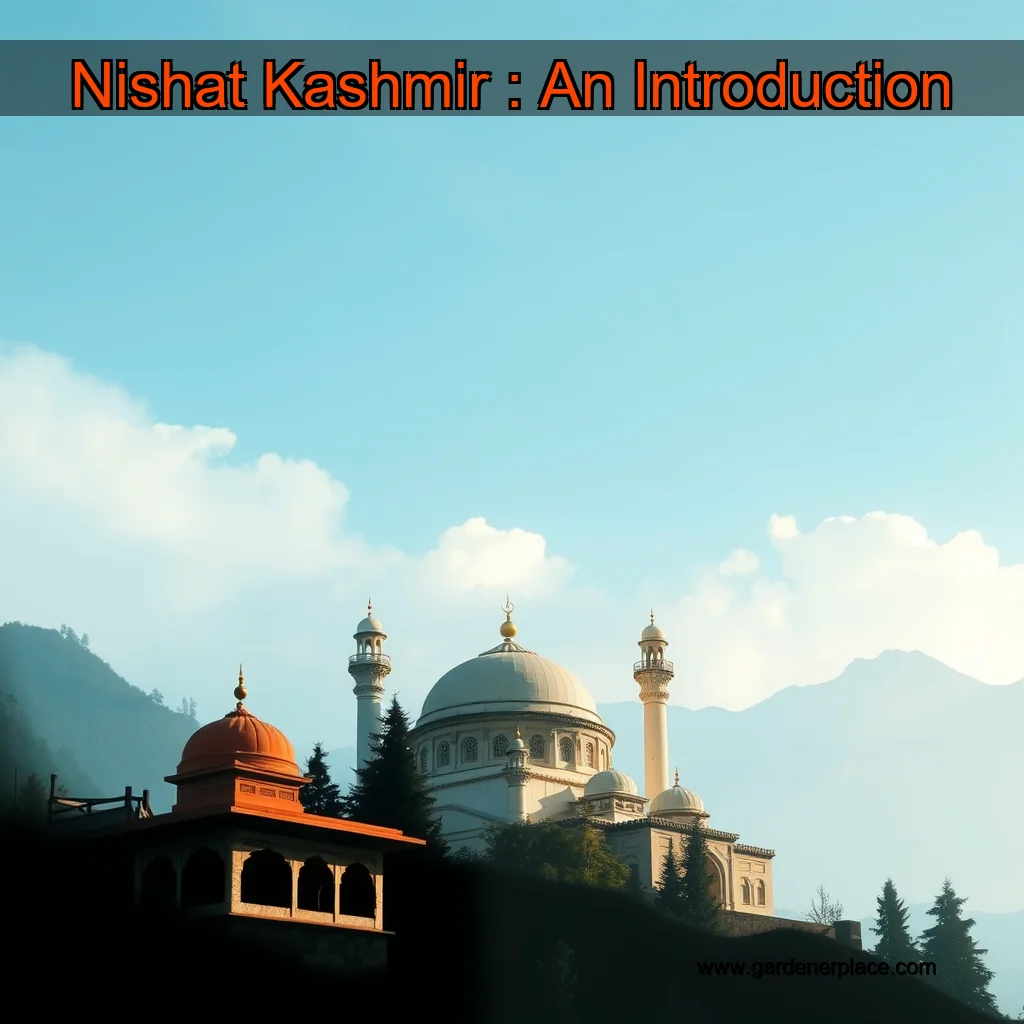
Serene retreat amidst the city’s bustle.
The garden is a tranquil oasis amidst the bustling city of Srinagar, Kashmir.
History and Significance
Nishat Bagh is a testament to the architectural prowess of the Mughal era. The garden was built in the 16th century by the Mughal Emperor Jahangir, who was also the son of Akbar. The garden’s design is attributed to the renowned Mughal architect Ustad Ahmad Lahori. The garden’s construction was a result of Jahangir’s desire to create a peaceful retreat from the hustle and bustle of court life.
Key Features
Cultural Significance
Nishat Bagg is not just a beautiful garden, but also a cultural icon of Kashmir. The garden has been a source of inspiration for many artists, writers, and musicians.
The garden is a testament to the Mughal era’s architectural and horticultural achievements.
History of Nishat Bagh
Nishat Bagh was built in the 16th century by the Mughal emperor Jahangir. The emperor was known for his love of gardens and architecture.
The former Mughal governor of Kashmir, Asaf Khan, built the garden in the 16th century, during the reign of Emperor Akbar.
History of Nishat Bagh
Nishat Bagh’s history dates back to the 16th century, when Asaf Khan constructed the garden.
The garden’s design is a testament to the Kashmiri architectural style, which emphasizes the importance of water features and intricate stone carvings.
The History of Nishat Bagh
Nishat Bagh, also known as the “Garden of Dreams,” has a rich and storied history that spans over 400 years. The garden was built in the 16th century by the Mughal emperor Jahangir, who was a renowned artist and architect. Jahangir was inspired by the beauty of the lake and the surrounding landscape, and he designed the garden to be a reflection of his own artistic vision.
The Architectural Style
The garden’s design is a testament to the Kashmiri architectural style, which emphasizes the importance of water features and intricate stone carvings. The garden’s original design comprises twelve majestic terraces, each representing a Zodiac sign.
The gardens are surrounded by a high wall, and the entrance is marked by a large stone gate.
The History of Nishat Bagh
Nishat Bagh, also known as the “Garden of Dreams,” has a rich history dating back to the 16th century. The garden was built by the Mughal emperor, Nur-ud-Din Muhammad, in 1632. The emperor was a great lover of gardens and architecture, and he designed Nishat Bagh to be a symbol of his power and wealth. The garden was built on a hilltop, which provided a stunning view of the surrounding landscape. The design of the garden was influenced by the Persian style of architecture, which was popular during the Mughal era. The garden was constructed using local materials, such as stone and brick, and featured intricate carvings and ornate decorations.
The Architecture of Nishat Bagh
Nishat Bagh is a masterpiece of Mughal architecture, featuring a unique blend of Indian and Persian styles.
The garden is a sprawling, 12-acre estate that boasts an array of architectural styles, including Mughal, Persian, and Islamic.
The Architectural Marvel of Nishat Bagh
Nishat Bagh, also known as Nishat Garden, is a breathtakingly beautiful and historic garden located in Srinagar, Kashmir. The garden is a masterpiece of Mughal architecture, showcasing the era’s grandeur and opulence. The garden’s design is a testament to the ingenuity and craftsmanship of its creators, who drew inspiration from Persian and Islamic architectural styles.
Key Features of Nishat Bagh
The tomb is believed to have been built by her husband, the Mughal governor of Bengal, in the 18th century.
The Bagh’s Architectural Significance
The Bagh is a testament to the architectural prowess of the Mughal Empire, showcasing a blend of Indian, Persian, and Islamic architectural styles. The garden’s design is characterized by intricate stone carvings, ornate fountains, and beautifully manicured lawns. The Bagh’s layout is also notable for its use of symmetry and asymmetry, reflecting the Mughal Empire’s emphasis on balance and harmony.
The History of Nishat Bagh
Nishat Bagh, also known as the “Garden of Dreams,” is a historic Mughal garden located in Srinagar, Kashmir. The garden’s history dates back to the 16th century, during the reign of Emperor Akbar. The garden was built by the Mughal emperor’s architect, Ustad Ahmad Lahori, who designed it as a tribute to the emperor’s favorite wife, Empress Nur Jahan.
The Architectural Marvel
Nishat Bagh is an exemplary model of Mughal architecture, showcasing the blend of Indian, Persian, and Islamic styles. The garden’s design is characterized by the use of intricate stone carvings, ornate fountains, and beautifully manicured lawns. The garden’s central feature is the Shalimar Bagh, a beautiful white marble mausoleum built by Emperor Jahangir in memory of his wife, Mumtaz Mahal.
The Floral Delights
The garden is renowned for its stunning floral displays, featuring a wide variety of flowers, including roses, lilies, and chrysanthemums. The garden’s lawns are meticulously maintained, with flowers blooming in every color of the rainbow.
The park’s lush greenery and vibrant flowers add to the overall aesthetic appeal of the park, making it a popular destination for both locals and tourists alike.
The Autumn Season in Nishat Bagh
Nishat Bagh, a popular tourist destination in Srinagar, Kashmir, transforms into a breathtakingly beautiful park during the autumn season. The changing colors of the Chinar leaves, the vibrant flowers, and the lush greenery create a unique and captivating atmosphere that attracts visitors from all over the world.
The Golden Chinar Leaves
The golden Chinar leaves are the crowning glory of Nishat Bagh during the autumn season. These leaves, which turn golden yellow in color, create a stunning visual effect that is unlike anything else in the region. The leaves are a result of the changing seasons, and they are a natural phenomenon that occurs every year.
The mausoleum is a beautiful example of Mughal architecture, with intricate stone carvings and ornate decorations. The structure is built on a raised platform, surrounded by a high wall, and features a large dome that rises above the surrounding landscape.
The Mausoleum of Hazrat Syed Baba Ibraheem Balki
History and Significance
The mausoleum of Hazrat Syed Baba Ibraheem Balki is a historic site that dates back to the 18th century. It is believed to have been built during the reign of the Mughal emperor, Shah Alam II. The mausoleum is significant not only for its architectural beauty but also for its historical importance. It is a testament to the cultural and religious heritage of the region, and its construction reflects the values and traditions of the time.
Architectural Features
The mausoleum is a masterpiece of Mughal architecture, with intricate stone carvings and ornate decorations.

news is a contributor at GardenerPlace. We are committed to providing well-researched, accurate, and valuable content to our readers.